Customizing the Human Race with CRISPR-Cas9 Genome Editing Technology
CRIPSR
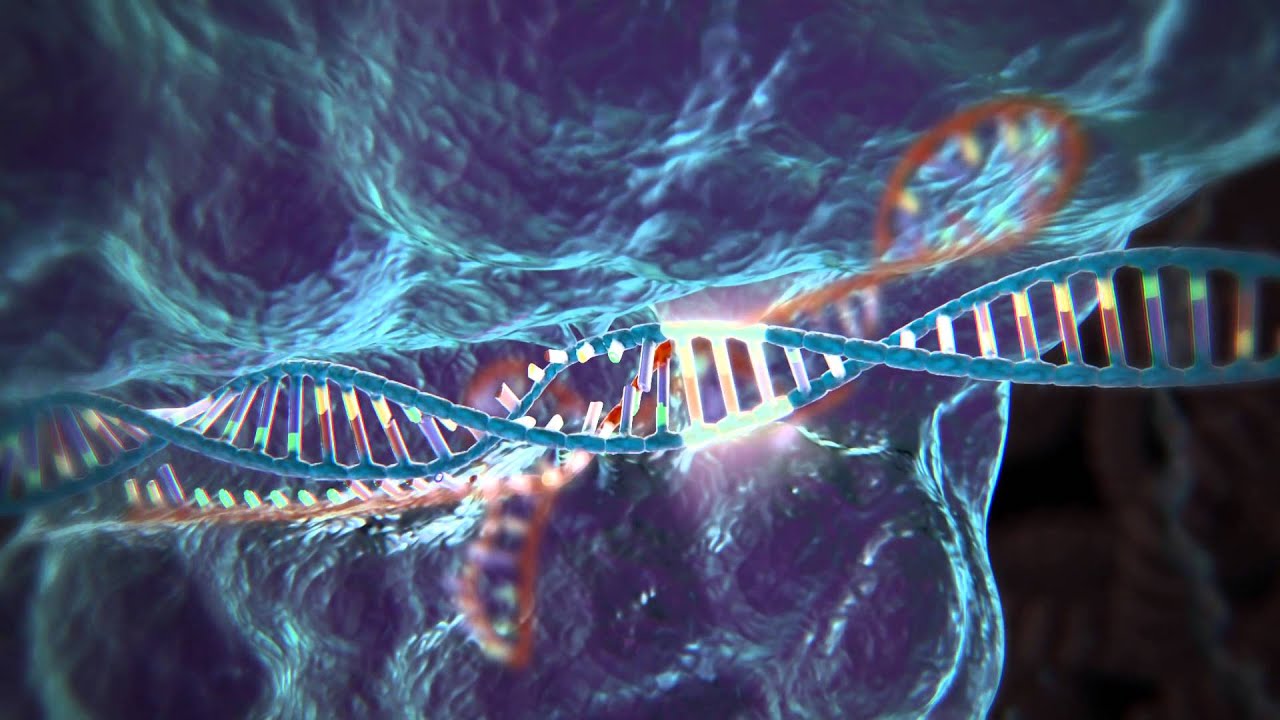
CRISPR technology could change the world. Essentially, CRISPR is a technique that allows scientists to make precision edits to any DNA, whether bacterial or human. The potential for this technology is huge: if scientists have the accuracy to replace just a few faulty genes, it might be possible to cure genetic disorders as serious as cystic fibrosis and Huntington's disease and as common as lactose intolerance and color-blindness. Dr. Sam Sternberg, CRISPR expert and protein-RNA biochemist, joins the Curiosity Podcast to explain the science, ethics, and future of this cutting-edge technology.
Samuel H. Sternberg, PhD, will be starting his own research laboratory at Columbia University in early 2018, as an assistant professor in the Department of Biochemistry and Molecular Biophysics. Along with Jennifer Doudna, he is the co-author of "A Crack in Creation," a popular science book about the discovery, development, and applications of CRISPR-Cas9 gene editing technology. Stream or download the podcast using the player below, or find the episode everywhere podcasts are found,
CRISPR CRISPR Chicken Dinner


Comments
Post a Comment